Why Systems Fail and How to Spot the Risks
Common Septic Problems and What Buyers Should Know in Danville for properties with older or improperly installed wastewater systems
Septic systems fail for reasons that often trace back to installation decisions made years or decades ago. Poor design, improper installation, and lack of maintenance over time create conditions where systems cannot handle typical household wastewater loads. Logans Septic Inspections educates buyers in Danville on the most common issues found during inspections, including drain field failure, system overload, and configurations that violate current standards even if they were acceptable when originally built. Soil conditions, property layout, and system age all impact long-term performance, and understanding these factors helps you evaluate whether a property with a septic system is a sound investment.
Drain field failure is one of the most expensive problems, occurring when effluent cannot percolate into the soil and instead surfaces on the property or backs up into the home. This happens when fields are undersized for household water use, when soil has poor percolation rates, or when solids escape the tank and clog the drain lines. Systems installed in clay-heavy soil or areas with high water tables are especially vulnerable during wet seasons, when saturated ground cannot absorb additional wastewater.
Schedule a property assessment to identify septic issues that may require costly repairs after closing.
What Inspections Uncover That General Home Inspections Miss
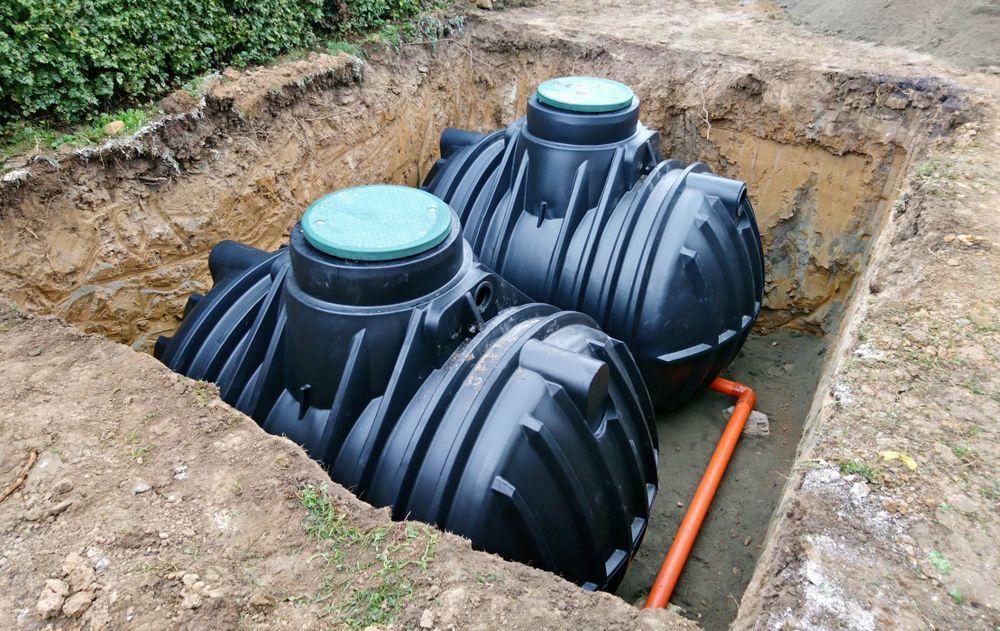
The inspection process involves opening the septic tank to check for structural damage, excessive sludge buildup, and missing or damaged components such as baffles and outlet filters. Inspectors also evaluate the drain field by walking the area and checking for signs of saturation, odors, or surfacing effluent that indicate the system is not processing wastewater properly. These steps go beyond what general home inspections cover, which typically note the presence of a septic system without evaluating its functional condition.
Once the inspection is complete, you will know whether the system is functioning as designed, whether maintenance has been deferred, and whether design flaws pose a risk of failure. You will see documentation of issues such as cracked tanks, improperly sloped drain lines, or fields placed too close to wells or property lines. These findings provide leverage for negotiating repairs or price adjustments before you finalize the purchase.
Reports also highlight the difference between minor concerns that can be addressed with routine maintenance and major system failures that require replacement. Understanding this distinction helps you avoid unexpected expenses by identifying problems before closing, when they are still the seller's responsibility.
Answers to Common Buyer Concerns
Septic system issues can complicate real estate transactions, and buyers often have questions about what findings mean for their investment. Here are answers to the most frequently asked questions.
What causes drain field failure and how can I recognize it?
Drain fields fail when they become clogged with solids that escaped the tank, when soil cannot absorb effluent due to poor percolation rates, or when the field is undersized for household water use. You can recognize failure by wet spots or standing water over the drain field, sewage odors, lush grass growth in the area, or backups in the home during periods of heavy use.
How does soil type affect septic system performance in Danville?
Much of Hendricks and Putnam County has clay-heavy soil with slow percolation rates, which means effluent does not absorb into the ground as quickly as it does in sandy or loamy soil. During wet weather, saturated clay cannot accept additional wastewater, causing systems to back up or surface on the property even if the tank and drain lines are functioning properly.
What does it mean if a system is outdated but still functioning?
Older systems may lack components required by current codes, such as distribution boxes or risers for tank access, but still process wastewater adequately under normal conditions. The risk is that these systems have less capacity to handle increased usage or stress, and they may fail sooner than properly designed systems when household water use increases or maintenance is neglected.
Can a septic inspection predict how long a system will last?
The inspection identifies current condition and visible signs of wear, such as cracking concrete, corroded steel tanks, or saturated drain fields. While exact lifespan cannot be predicted, the report highlights whether the system shows signs of imminent failure or whether it is likely to require significant investment within the next few years.
What should I do if the inspection reveals a problem the seller did not disclose?
Use the inspection report to document the issue and request repairs, a credit toward replacement costs, or a price reduction. If the problem is significant, you may choose to renegotiate the contract or withdraw from the purchase during your option period, depending on the terms of your agreement.
Logans Septic Inspections helps buyers in Danville avoid unexpected septic expenses by identifying system problems before closing. Call (765) 721-5470 to schedule an inspection and receive a detailed report with photos and clear explanations of system condition.